A Conversation with Ibrahim Mahama: Memory, Global Narratives and Craft in Contemporary Practice
Sunday 25 January, 5:00 pm
In partnership with the LOEWE FOUNDATION
“I use crisis and failure as the primary material in my work to be able to produce and develop new language and aesthetics.” – Ibrahim Mahama
Join acclaimed artist Ibrahim Mahama – ranked first on ArtReview’s Power 100 (2025) – and Dean Kymberly Pinder, the Stavros Niarchos Foundation Dean of the Yale School of Art, for a compelling conversation exploring the central themes of Mahama’s practice and how this interfaces with craft. Rising to international prominence through politically charged, large-scale installations, Mahama is known for using recycled materials such as jute sacks, carrying references to global transactions and capitalist structures, draped over architectural edifices.
This discussion will examine questions of urban renewal, social responsibility, and collaboration, as well as the new independence of West African nations and other post-colonial territories. It will also consider the creative diversity and political significance of craft, materiality, and hierarchies of labor that shape global production.
Speakers:
Ibrahim Mahama – Artist, Ghana
Dr. Kymberly Pinder – Stavros Niarchos Foundation Dean of the Yale School of Art
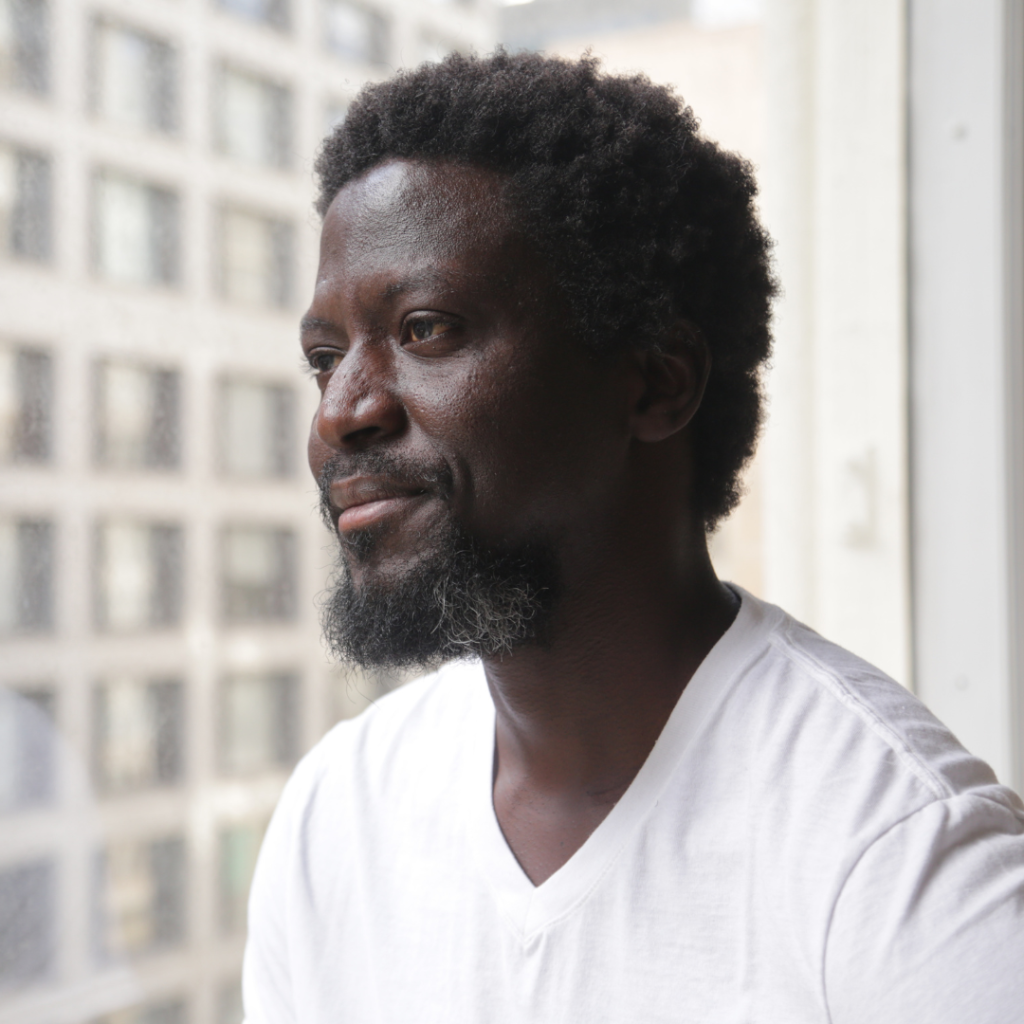
Ibrahim Mahama | Artist, Ghana
Known for his monumental installations and assemblages made from reclaimed materials such as jute sacks, shoeboxes, and wooden fragments. Through these transformations, he explores themes of labour, migration, and the circulation of goods within global capitalist systems. His practice reflects a deep interest in how materials bear the traces of crisis, exchange, and collective memory.
Textiles hold a central role in Mahama’s work, functioning as living archives marked by time, form, and place. Often sourced from Ghana’s markets, the jute sacks he employs, originally manufactured in Southeast Asia and used to transport cocoa, carry histories of trade and exchange. Stitched together into vast tapestries, they envelop buildings and spaces to question the social and economic structures that shape contemporary life.
Mahama’s major projects include Out of Bounds (56th Venice Biennale, 2015), Purple Hibiscus (Barbican Centre, London, 2023–2024), and Janus (Palazzo Diedo, Venice, 2024). His work has also been featured in Documenta 14 (Athens and Kassel, 2017), the 35th São Paulo Biennale (2023), and the 22nd Biennale of Sydney (2020).
His works are represented in numerous public collections, including the Centre Pompidou (Paris), Los Angeles County Museum of Art, Hammer Museum (Los Angeles), Hirshhorn Museum and Sculpture Garden (Washington D.C.), The Studio Museum in Harlem (New York), and the National Gallery of Canada (Ottawa).
Beyond his artistic practice, Mahama is deeply committed to arts education and infrastructure in Ghana. He founded the Savannah Centre for Contemporary Art (SCCA) and Red Clay Studio in Tamale, and the Nkrumah Volini project in 2021, initiatives dedicated to fostering artistic exchange, research, and interdisciplinary learning.
Recent accolades include the Sam Gilliam Award (2024), the Pino Pascali Award (2021), and the Prince Claus Award (2020)
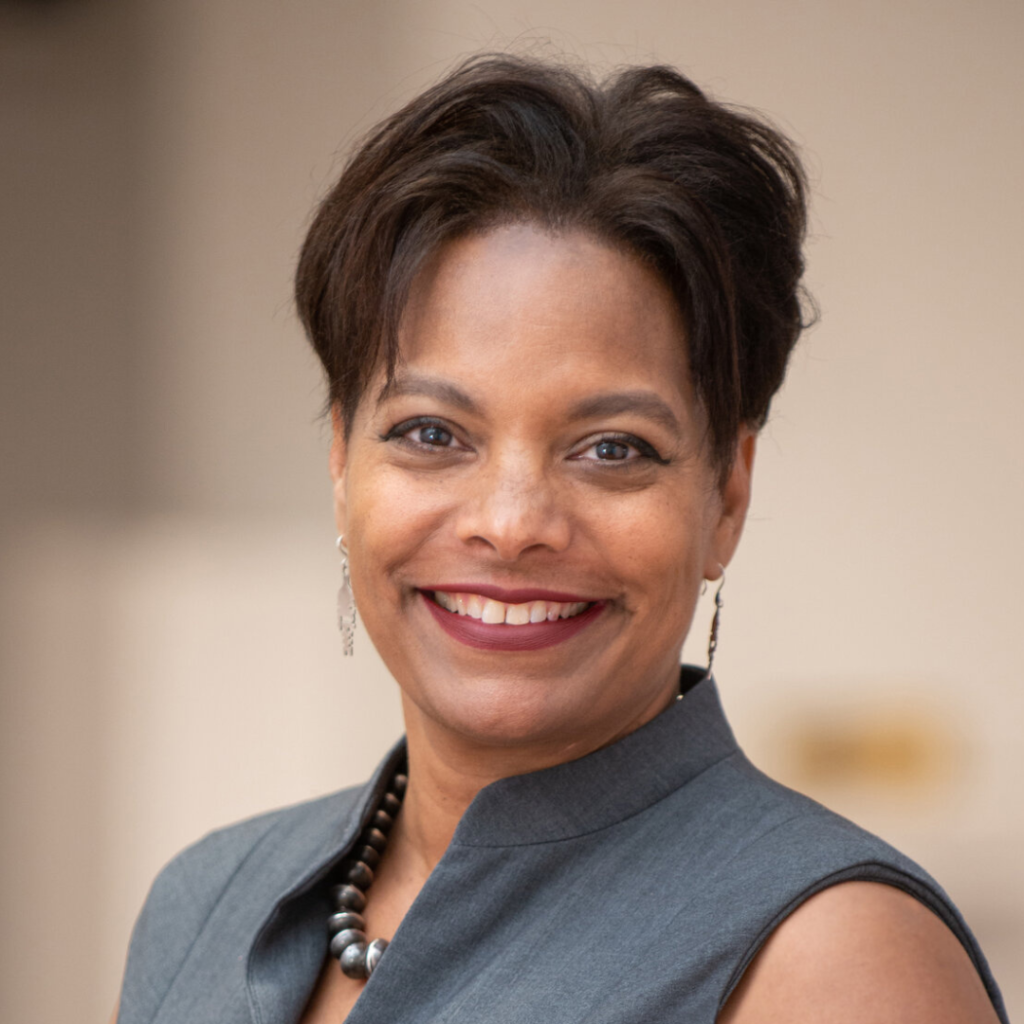
Dr. Kymberly Pinder | Stavros Niarchos Foundation Dean of the Yale School of Art
An alumna of Yale’s History of Art program, Dr. Pinder is an internationally recognized scholar of race, representation, and public art. She is the author of Painting the Gospel: Black Public Art and Religion in Chicago and the editor of Race-ing Art History: Critical Readings in Race and Art History. Dr. Pinder is widely known for her deep commitment to education and its potential to address local and national challenges. In addition to being an eminent scholar and educator, she has extensive experience at institutions of higher education and museums.
Her work has been recognized and supported by the Terra Foundation, the Ford Foundation, and the National Endowment for the Humanities. And she was recognized as one of the Fifty Most Influential People of Color in Massachusetts Higher Education in 2021 and with the Albuquerque Business First 2018 Women of Influence Award in 2018.