Reviving the Conversation: South Asian Contemporary Art at ART SG

This year’s edition of ART SG shines a spotlight on South Asian contemporary art with a new pavilion that aims to spark intercultural dialogue. Supported by cultural partner TVS Motor Company and curatorially advised by Srinivas Aditya Mopidevi, founder of Studio Public Memory, South Asia Insights features eight prominent galleries including Vadehra Art Gallery and Nature Morte from India, as well as international galleries such as Aicon Art and Sundaram Tagore Gallery. Showcasing a diverse range of artists from the subcontinent and the South Asian diaspora, the program will be anchored by a keynote conversation with renowned Indian artist Jitish Kallat. We speak with Mopidevi about cultivating South-South connections and why this is a pivotal moment for South Asian contemporary art.
Share this article:

Interview by Payal Uttam
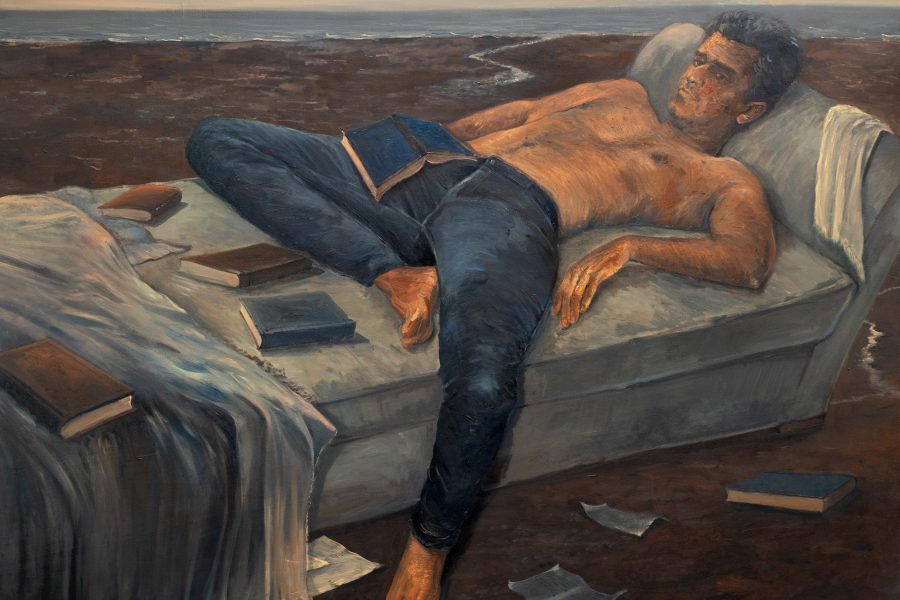
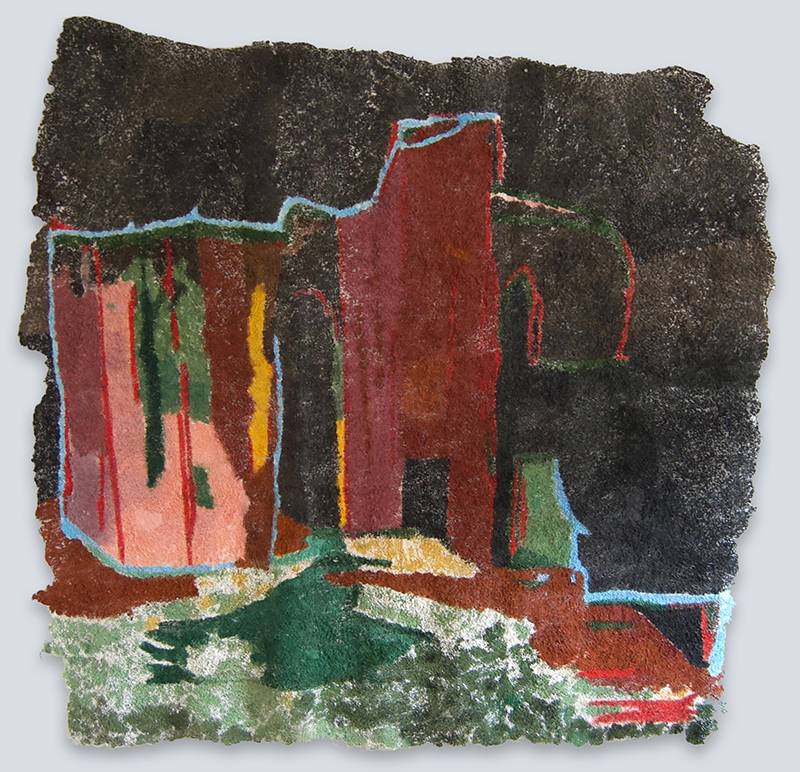
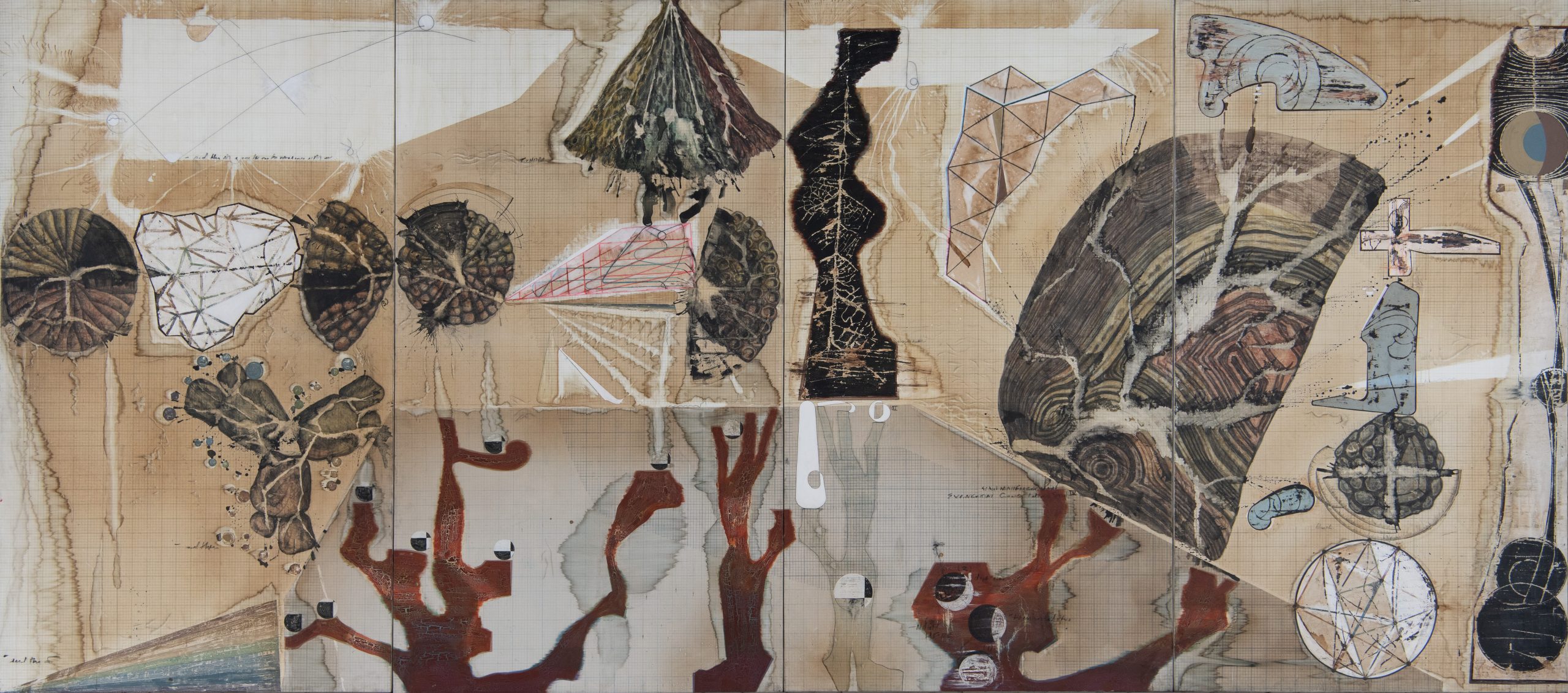
Jitish Kallat, 'Palindrome/Anagram Painting', 2021. Image courtesy of Gajah Gallery, Nature Morte, and the artist.

How did you enter the art world?

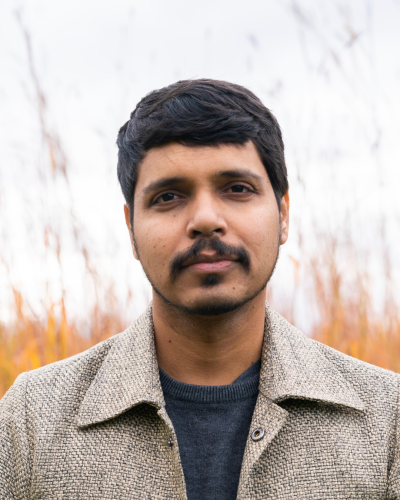
Srinivas Aditya Mopidevi (SAM): My relationship with the art world started 24 years ago when I did a BFA in painting. From the beginning, I was also interested in research, which led me to study art history at the Baroda Art School. I then moved to Delhi where I completed my MPhil in Visual Studies at Jawaharlal Nehru University (JNU). The city was an eye-opener in terms of giving me an introduction into the larger world of art. At JNU, I met [the prominent artist collective] Raqs Media Collective, who asked me to help them with a book, and later invited me to become their assistant curator for a big project, which led me onto a completely different path. I always call myself an accidental curator because I never planned for it.

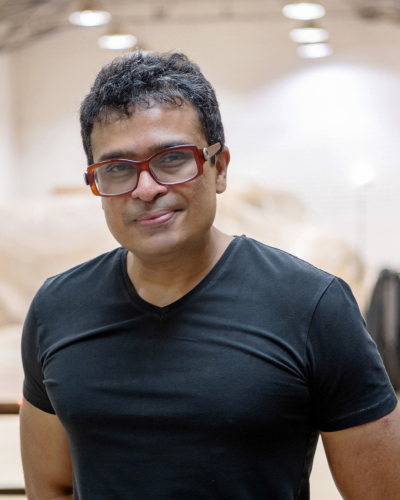
Srinivas Aditya Mopidevi. Image courtesy of Srinivas Aditya Mopidevi.

Why did you decide to curate the TVS initiative?

SAM:  For the longest time, I felt that South Asia only looked towards the West in terms of the conversations that they want to have. But then in the early 2000s, there was more dialogue between Southeast Asian contemporary art and South Asian contemporary art. Exhibitions like Contemporary Art in Asia: Traditions/Tensions [mounted in New York in 1997] brought together the regions, and there was a lot of cross-pollination. There has been a scarcity of [these types of shows] in the last 10-odd years because a different kind of institutional landscape opened up. So the preface of the TVS initiative is that there is a certain urgency to revive the conversation between South Asia and Southeast Asia. We are cultural allies, and our regions have historically spoken to each other in a big way, so I think it’s important to [cultivate platforms like this] and explore future intercultural dialogue.

What are your larger goals with this initiative?

SAM: The broader idea of South-South dialogue is important for me. We wanted to introduce artists from India to the public in Singapore in a more detailed way. Hopefully, this opens up a channel, and it becomes a larger, recurring conversation in the future. 

I also want to expand what contemporary art from South Asia means in terms of people’s perception in Singapore. If we can do that in the next four to five years, that would be amazing. Going forward, I hope there will be instances when a South Asian artist and a Southeast Asian artist will be on the same stage talking with each other and maybe even exhibiting together. I really admire artists from this region, such as Rirkrit Tiravanija from Thailand; Ruangrupa, who are based in Indonesia; Singaporean artist Heman Chong and The Propeller Group’s Tuan Andrew Nguyen from Vietnam. I am actually looking to have a conversation with artists like them in India. Hopefully, this initiative inaugurates that dialogue.

Can you introduce the South Asian Insights pavilion? 

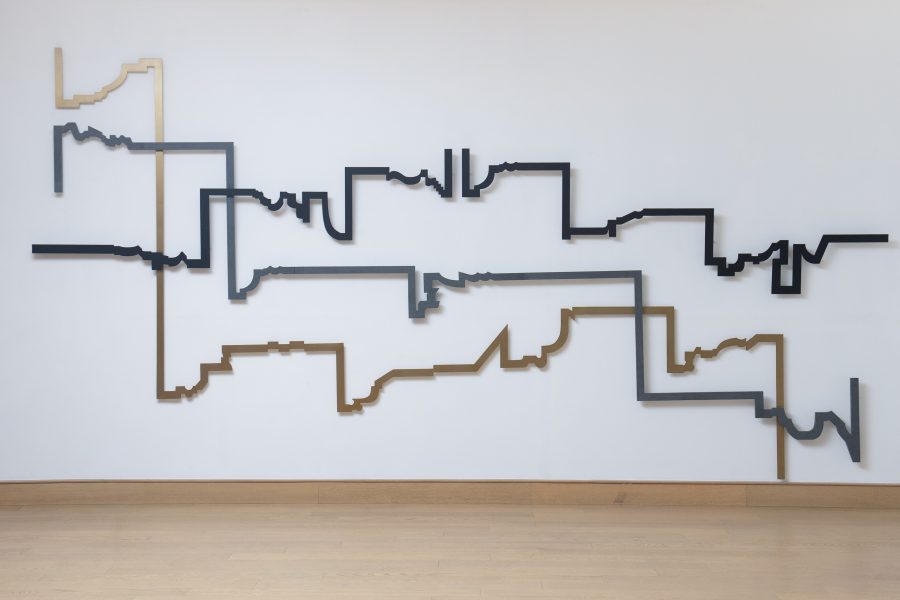
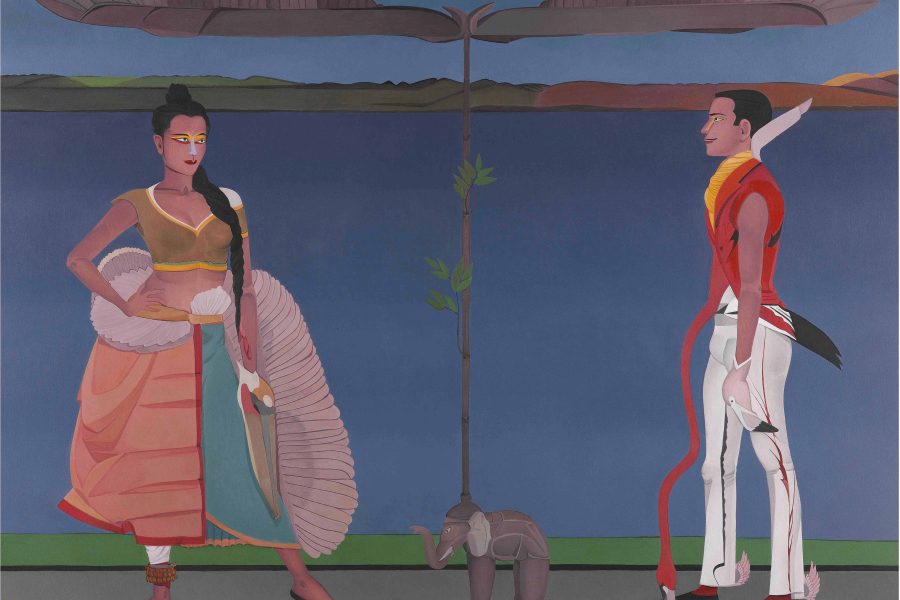
SAM: If you are saying you want to give insights into South Asia, then you can’t show the same artists from the region who circulate heavily. It’s not the headliner artists that you usually see everywhere that are presented here. We wanted to show artists whom audiences otherwise would not encounter. It will be an intergenerational conversation. For example, there’s a young Delhi-based artist, Ayesha Singh, who is coming from a completely different trajectory to a very senior artist like Baroda-based Surendran Nair. Ayesha works a lot with the codifying of architecture, especially in historical spaces. The relationship between architecture and power is important to her. Meanwhile, Surendran is interested in the relationship between the mythical and the human. Then there’s Zaam Arif, who is brutally young. He’s in his 20s, but is a fantastic painter. He is interested in how one locates the biographical within the everyday. I’m looking forward to seeing how their works will look in the space, because it’s not your usual selection of artists.

Neha Vedpathak, 'So many stars in the sky, some of them and some of me', 2018. Image courtesy of Sundaram Tagore Gallery.

Aside from architecture, mythology and everyday life, are there other themes the artists on view are exploring that speak to broader concerns across the region?

SAM: I want to point out that there is a radical shift to materiality as an important facet of contemporary art from the region, as well as globally. If you look at a lot of the work that’s coming from the African continent, for instance, there’s also a huge emphasis on materiality. Materiality is also something that brings a lot of the artists on view at the pavilion together.

Can you share examples of specific works where you see this emphasis on materiality?

SAM: Indian diaspora artist Neha Vedpathak is someone who directly responds to materiality. I think what interested me in her practice is how she moulds handmade paper into reliefs using a minimalist abstract language.

Singapore-based artist Mahalakshmi Kannappan is another artist who is interested in questions of materiality. She works with wood, and her wall reliefs look almost like the remains of architecture that has been burned. You can see the charred skin of the surface, and you can almost feel the material residue [of fire].

Lately, momentum has been building around South Asian contemporary art. Why is it an exciting time for the region?

SAM: In the past few years, you suddenly see more South Asian artists showing in prominent institutional exhibitions and biennales across the world. There is also an increasing participation of collectors, galleries and institutions in different kinds of activities. Private initiatives such as Kiran Nadar Museum’s presentation at the Venice Biennale and other international projects are also symptomatic of a shift where institutions are venturing beyond the region. Of course, there’s also new market interest, alongside more diasporic communities looking at South Asian art, which is the case in Singapore. 

Jitish Kallat. Image courtesy of Jitish Kallat.

A key highlight of the initiative is the keynote conversation with Jitish Kallat. What made him the right artist for this moment?
SAM:  We’ve never done a talk before in public, but we’ve been speaking with each other for the past 10 years. It’s a beautiful kind of conversation, which I want to unpack and see where it takes us this time. Jitish is based in India, but of course, has such a dynamic and versatile body of work that goes across planetary boundaries. That was important for me because [this initiative was not about] representing a nation or a region. We are saying what the subcontinent is capable of in its larger artistic imagination. 

ABOUT THE AUTHOR: PAYAL UTTAM

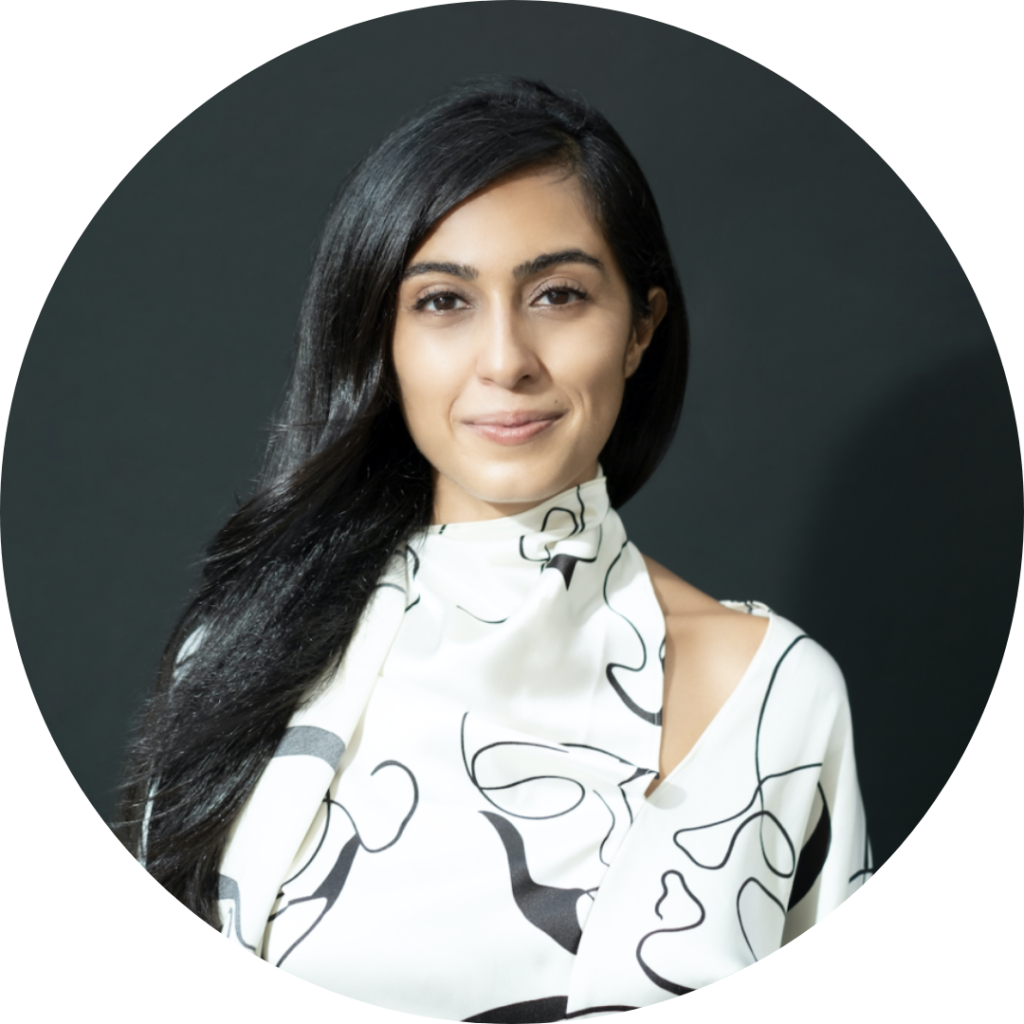
Payal Uttam is a freelance journalist who has been covering art and design across the globe for more than a decade. Her work has appeared in publications including: CNN, The Wall Street Journal, Quartz, Artsy and The Art Newspaper among other titles. She divides her time between Hong Kong and Singapore.

Share this article:

Facebook
Twitter
LinkedIn
Email
WhatsApp